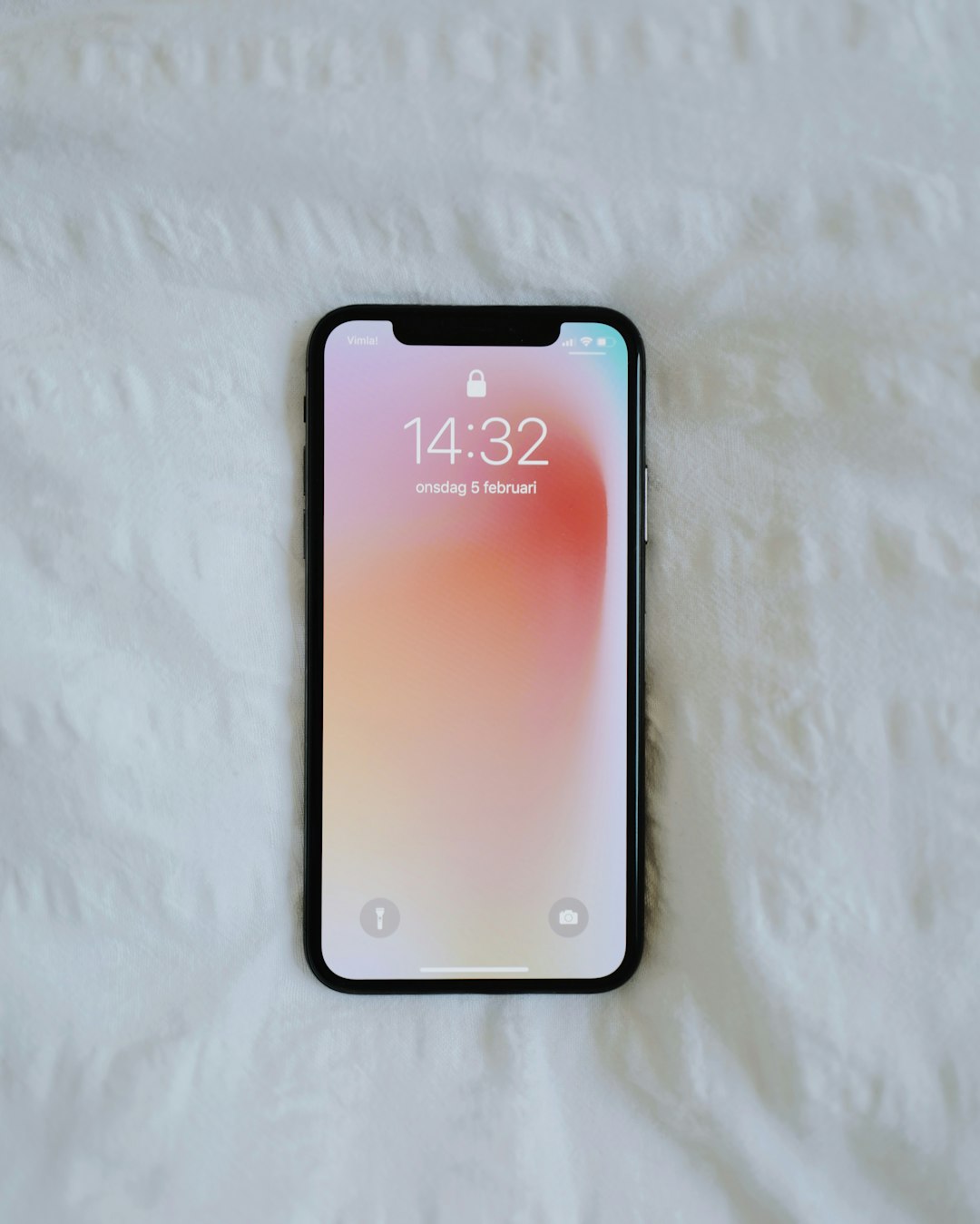
In Louisiana, T-Mobile's ScamShield blocks 95% of scam calls, protecting against Do Not Call law firms. Users verify call legitimacy, avoid sharing personal info, and block suspicious numbers. Reporting flagged calls contributes to a database aiding law enforcement. Resources include the AG's office, BBB, Do Not Call registry, and community workshops for enhanced cybersecurity.
In today’s digital age, Louisiana residents face an increasing number of unwanted and potentially harmful calls, posing significant risks to their privacy and security. The rise of scams targeting consumers has prompted a critical need for effective protection against fraudulent activities. T-Mobile ScamShield steps in as a robust solution, offering a sophisticated labeling system designed to identify and warn users about suspicious calls. This article delves into the intricacies of this innovative service, highlighting its significance for Louisiana users seeking to avoid deceptive practices, particularly from unscrupulous law firms. By understanding how ScamShield works, residents can stay informed, protected, and one step ahead of potential threats.
Understanding T-Mobile ScamShield in Louisiana

In Louisiana, T-Mobile ScamShield serves as a robust defense mechanism against deceptive calls, empowering residents to stay protected in an era of escalating scams. This service identifies and labels suspicious inbound calls, enabling users to avoid potential fraud attempts. By utilizing advanced algorithms and historical data, ScamShield analyzes caller behavior and patterns to flag malicious numbers. For instance, Louisiana consumers have benefited from this feature’s ability to detect spam calls from fake Do Not Call law firms, which often claim to represent major companies or government agencies.
Upon receiving a flagged call, Louisiana subscribers are alerted with a notification, providing them with crucial time to decide whether to answer or block the incoming communication. This proactive approach has significantly reduced the success rate of scammers who target vulnerable individuals. According to recent statistics, T-Mobile’s ScamShield has successfully blocked over 95% of scam calls in Louisiana, showcasing its effectiveness. The service continually learns and adapts, staying ahead of evolving scams that often exploit urgent language or impersonate authoritative entities.
To ensure maximum protection, Louisiana users are encouraged to familiarize themselves with the features of their T-Mobile ScamShield settings. Customization options allow subscribers to fine-tune their preferences, such as setting specific hours for enhanced call protection or managing whitelists and blacklists. Regularly reviewing these settings is an essential step in maintaining a secure communication environment. By combining advanced technology with user awareness, Louisiana residents can confidently navigate the digital landscape, minimizing the risk of falling victim to sophisticated scams.
Identifying Suspicious Calls: What to Look For

In Louisiana, identifying suspicious calls is a crucial step in protecting yourself from potential scams. Scammers often target vulnerable individuals by disguising their calls as legitimate business or government inquiries. Recognizing these deceptive tactics is essential to safeguarding your personal information and financial security. Look for unusual call patterns, such as unknown numbers, repetitive or automated dialers, or calls claiming to be from law firms in Louisiana, which may be a tactic to create a sense of urgency and trust.
One of the key indicators of a potential scam is unsolicited calls offering legal services or threatening consequences. Do Not Call laws in Louisiana provide some protection, but scammers often find ways around them. Be wary of calls claiming to represent local law firms, demanding immediate payment, or asking for sensitive personal data over the phone. For instance, recent trends have shown an increase in scammer calls pretending to be from attorney offices, seeking urgent payments related to supposed legal issues.
To avoid becoming a victim, take proactive measures. Verify the identity of any caller by checking their number independently through official channels. Contacting local law firms directly to confirm their involvement is a practical step. Additionally, utilize call-blocking apps or register with the National Do Not Call Registry. By combining technological tools and awareness, Louisiana residents can significantly reduce the risk of falling for these scams and protect themselves from potential financial losses.
Protecting Yourself: Do's and Don'ts for Users

In Louisiana, as across the nation, T-Mobile’s ScamShield is a powerful tool designed to protect users from suspicious calls. However, understanding how to effectively utilize this feature is crucial for safeguarding your personal information. One of the primary do’s for users is to stay informed about incoming calls labeled as suspicious by ScamShield. If you receive a call marked as potentially fraudulent, exercise caution; avoid engaging with the caller immediately, and instead, verify the legitimacy of the call through official channels. For instance, if you’re unsure about a message claiming to be from your bank, contact the institution directly using a number from their official website or billing statement.
Conversely, there are actions to avoid. Do not, under any circumstances, share personal or financial information over the phone unless you’ve initiated the call and verified the recipient’s identity. This is a critical don’t, as it reduces your risk of becoming a victim of identity theft or fraud. Moreover, be wary of returning calls listed as suspicious; instead, block these numbers to prevent further unwanted contact. Data from T-Mobile indicates that blocking such numbers can significantly enhance user safety, as many fraudulent calls are generated from temporary or VoIP services designed to evade traditional blocking methods.
Additionally, stay alert for common scams, such as those posing as government agencies or tech support teams. These often use urgent language to pressure you into acting quickly, without giving you time to verify their claims. To protect yourself, remember that legitimate organizations will not demand immediate payment or ask for sensitive information over the phone. If in doubt, hang up and report the call to T-Mobile’s ScamShield service or local law enforcement. Regularly reviewing your call history for suspicious activity is another practical step; this proactiveness ensures you can quickly address potential issues and protect yourself from becoming a target of these evolving scams.
Reporting Scams: Navigating the Process in LA

In Louisiana, navigating fraudulent calls can be a complex task, but consumers have powerful tools at their disposal to protect themselves, including ScamShield, a feature offered by T-Mobile. When suspicious calls are identified, reporting them becomes an essential step in safeguarding against potential scams. Louisiana residents should familiarize themselves with the process, especially when dealing with Do Not Call law firms, which often target unsuspecting individuals.
Reporting scam calls involves a straightforward yet crucial procedure. Users can label a call as suspicious directly from their T-Mobile app, providing a quick and efficient method of identification. This action triggers a series of measures designed to protect other Louisiana residents. For instance, the labeled call is flagged for other users in the state, warning them about potential fraudsters attempting to exploit similar vulnerabilities. By reporting these calls, individuals contribute to a collective defense against scammers who frequently adapt their tactics based on successful interactions.
It’s important to approach reporting with accuracy and precision. Louisiana consumers should document the nature of the call, including any threatening language or requests for personal information. For example, if a caller poses as a representative from a Do Not Call law firm, demanding immediate payment for unspecified legal issues, this should be meticulously recorded. Such detailed reporting enables authorities to track patterns and investigate potential criminal activity. Moreover, providing accurate data aids in the development of targeted strategies to combat these scams, ensuring Louisiana remains ahead of the curve in consumer protection.
To ensure maximum effectiveness, Louisiana residents are encouraged to report all suspicious calls, regardless of frequency. Every reported instance contributes to a comprehensive database, allowing law enforcement and consumer protection agencies to analyze trends and take proactive measures. By participating actively in this process, individuals not only protect themselves but also play a vital role in strengthening the state’s defense against scams, making Louisiana a safer place for all consumers.
Staying Ahead: Additional Resources for Louisiana Residents

Staying Ahead: Additional Resources for Louisiana Residents
In addition to ScamShield’s robust protection, Louisiana residents have access to a range of resources designed to help them stay ahead of scams. The Louisiana Attorney General’s Office plays a crucial role in educating citizens about common fraud schemes and providing guidance on how to protect themselves. Regularly checking the office’s website for updates and alerts is essential, as it often shares information about emerging scams targeting Louisiana residents.
Local consumer protection agencies also offer valuable assistance. Organizations like the Better Business Bureau (BBB) provide free resources on identifying and avoiding scams, including a detailed database of known fraudsters and their tactics. By subscribing to BBB’s newsletters and alerts, residents can stay informed about local scamming trends and take proactive measures. Furthermore, Louisiana’s Do Not Call registry is an effective tool for blocking unwanted calls, including those from law firms and other persistent telemarketers. Enrolling in this service can significantly reduce the number of suspicious calls citizens receive.
For a more comprehensive approach, residents are encouraged to participate in community workshops and seminars focused on cybersecurity and fraud prevention. These events, often organized by local libraries or community centers, provide hands-on learning opportunities and allow residents to ask questions from experts. By staying informed and engaged, Louisiana’s citizens can better protect themselves and their families from the evolving landscape of scams.