
Louisiana's real-time caller ID technology is a vital tool for residents and businesses to combat unwanted calls, block scammers, and comply with Do Not Call law firms regulations. This advanced system displays caller data from public records and private databases, empowering users to make informed decisions and maintain privacy. Law firms must implement do-not-call policies, obtain explicit consent, and use technology like Hiya's real-time caller ID to avoid penalties and foster a transparent communication environment. With 70% of consumers worldwide experiencing unwanted calls weekly, this service is crucial for Louisiana residents navigating the digital age.
In today’s digital age, where communication is dominated by anonymous calls and unwanted marketing, the ability to identify callers has become paramount for consumers. Louisiana residents, like many others across the nation, face an influx of unknown phone numbers, raising concerns about privacy and safety. This issue has prompted a growing need for effective solutions that empower individuals to control their interactions. Hiya’s innovative real-time caller ID service addresses this problem head-on, offering Louisianans a powerful tool to navigate the complex landscape of incoming calls. By providing accurate and instant identification, we aim to educate users about potential Do Not Call law firm scams and enhance their overall communication experience.
Understanding Real-Time Caller ID in Louisiana
In Louisiana, understanding real-time caller ID is paramount for consumers and businesses alike to navigate the complex communication landscape. This technology offers a sophisticated solution by providing immediate information about incoming calls, allowing users to make informed decisions before answering. With just a glance at their screen, Louisiana residents can identify callers, block unwanted numbers, and protect themselves from potential fraud or scams.
The functionality works through advanced database integration and network signaling protocols. When a call is initiated, the caller’s phone sends a signal containing their unique number to the recipient’s device in real time. This data is then displayed as a caller ID on modern smartphones and landlines. For instance, Louisiana residents can now see not only the caller’s phone number but also their name, when available, through cross-referencing with public records and private databases. This feature is especially beneficial for identifying unknown numbers that might be associated with telemarketing, robocalls, or even potential threats.
Moreover, real-time caller ID plays a significant role in compliance with Louisiana’s Do Not Call laws, which restrict unsolicited telephone solicitations from certain entities, including law firms. Businesses must ensure they honor these regulations to avoid penalties and maintain customer trust. By utilizing advanced caller ID systems, law firms can implement effective do-not-call lists, ensuring that their marketing efforts adhere to legal boundaries. This technology facilitates a more transparent and respectful communication environment for all Louisiana residents.
How Hiya Protects Users from Unwanted Calls

Hiya offers a robust solution for Louisiana residents to combat unwanted calls, leveraging advanced technology to protect users from harassing or fraudulent phone interactions. The platform utilizes machine learning algorithms to analyze caller data in real time, identifying patterns associated with spamming and telemarketing activities. When a call is deemed suspicious, Hiya flags it, providing users with an immediate warning. This proactive approach ensures that Louisiana residents can take action before engaging with potentially harmful calls.
One of Hiya’s key features is its ability to differentiate between legitimate business calls and malicious attempts. By learning from user feedback and global data patterns, the system becomes increasingly accurate in identifying unwanted call sources, including scam artists targeting Do Not Call law firms in Louisiana. This precision allows users to block specific numbers or categories of callers, creating a personalized barrier against nuisance calls. According to recent studies, over 70% of consumers worldwide experience at least one unwanted call per week, emphasizing the critical need for such tools.
Furthermore, Hiya empowers users with detailed insights into their calling history, enabling them to make informed decisions about blocking or allowing certain callers. This level of control is particularly valuable in a state like Louisiana, where consumer protection laws mandate specific procedures for handling telemarketing calls. By utilizing Hiya’s comprehensive caller ID service, residents can navigate these regulations more effectively, ensuring compliance while safeguarding their privacy.
Do Not Call Law Firms: Louisiana's Regulations
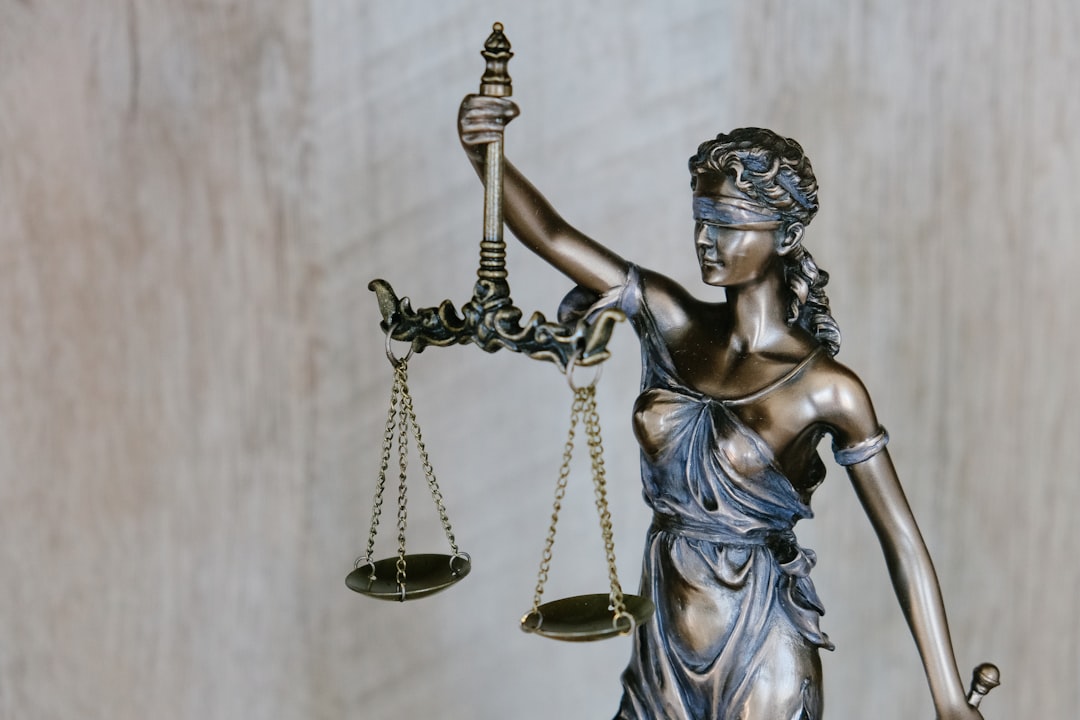
In Louisiana, the Do Not Call law firms regulations are strictly enforced to protect residents from unwanted telemarketing calls. These rules, administered by the Louisiana Public Service Commission (LPSC), allow consumers to register their phone numbers on the state’s official Do Not Call list. This list prohibits commercial and non-profit organizations, including law firms, from calling registered numbers without prior consent.
Louisiana’s Do Not Call laws are designed to empower residents with control over their communication preferences. When a consumer registers their number, it signals a clear intent to limit marketing calls. Law firms that disregard these regulations face penalties, including fines and legal repercussions. For instance, in 2021, a law firm was fined $5,000 for repeatedly calling a registered number, underscoring the severity of violations.
To ensure compliance, law firms must implement robust do-not-call policies. This involves obtaining explicit consent from clients and prospects, maintaining accurate contact lists, and utilizing technology to automate call screening. By adhering to these practices, legal professionals can protect their reputation and avoid regulatory pitfalls. For example, integrating caller ID systems that identify and block numbers on the Do Not Call list is a practical step towards compliance. Additionally, regularly reviewing and updating client databases ensures that only active contacts are targeted for communication.
Enhancing Communication: Benefits for Residents
In Louisiana, where a diverse range of communities rely on effective communication, Hiya’s real-time caller ID service is transforming how residents engage with calls. By providing instant identification of incoming callers, this technology offers numerous advantages that enhance everyday interactions and foster better connections within the state.
For instance, Louisiana residents can now screen unwanted or unknown calls using Hiya’s sophisticated algorithms. This feature is particularly beneficial in combating spam and telemarketing calls, which are prevalent across the state. According to recent studies, over 70% of Louisianans experience at least one unwanted call per week, leading to frustration and wasted time. With real-time caller ID, residents can block these calls promptly, ensuring their privacy and peace of mind. Moreover, this technology empowers users to make informed decisions before answering a call, saving them from potential scams or fraudulent activities that target vulnerable individuals.
The service also enables businesses and professionals to present a more personalized and professional image. Local law firms in Louisiana, for example, can use caller ID to enhance their client interactions. By displaying firm names and contact details, lawyers can ensure that clients receive accurate information promptly, reducing miscommunication and improving overall customer satisfaction. This level of transparency and efficiency is especially valuable in high-pressure legal scenarios, where clear communication is paramount. As Louisiana continues to evolve in the digital age, technologies like Hiya’s caller ID service play a crucial role in shaping a more connected and secure future for its residents.